
Planning a Home Addition? Tips Every San Mateo Homeowner Should Know
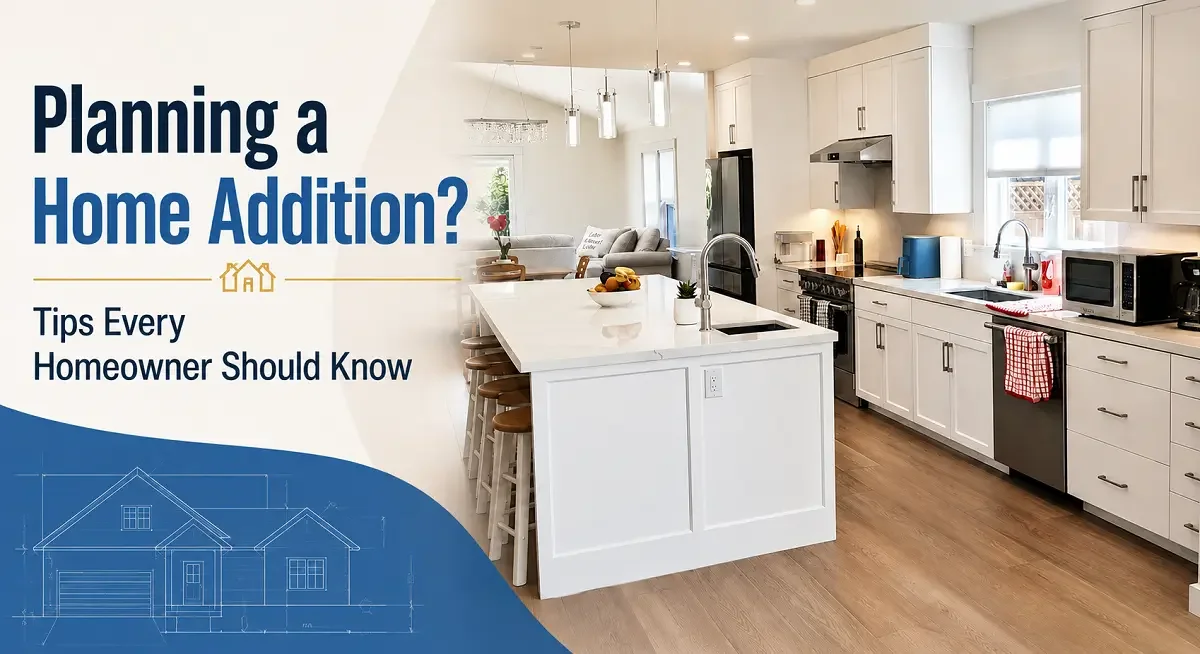
Planning a home addition usually starts with one simple thought: the house does not work the way it used to. Maybe mornings have become chaotic because everyone is competing for the same space, or perhaps one room has quietly taken on three different jobs. Whatever the reason, adding onto your home is not just about making it bigger. It is about making it work better. Before you begin working with a Home Addition Architect in San Mateo, it helps to approach the project with a clear understanding of what will make the investment worthwhile, both now and years down the road.
Tip 1: Design for the Life You're Growing Into
One mistake homeowners often make is planning around their current situation without considering what comes next. Children grow up, parents move in, careers change, and hobbies have a funny way of demanding more room than expected. A home addition should have enough flexibility to adapt over time. Spaces that can evolve naturally tend to stay useful much longer than rooms designed for a single purpose. It takes a little more thought upfront, but it usually pays off every single day after the project is finished.
Tip 2: Let Function Lead Every Decision
It is tempting to get excited about finishes. Browsing tile samples and cabinet styles is enjoyable, and there is nothing wrong with that. Still, those decisions come later for a reason. A beautiful room that feels awkward to use will eventually become frustrating, no matter how expensive the materials are. Pay close attention to how people move through the house, where daylight enters, and how each room connects to the next. Those details shape daily life far more than decorative choices ever will.
Tip 3: Know Exactly What You Want to Improve
The clearest projects usually begin with the clearest goals. Before your first design meeting, write down what you hope will be different once the addition is complete. You do not need technical language. Honest observations are often much more valuable:
● Which rooms feel crowded most often?
● Where does your home slow down your daily routine?
● What spaces do you avoid because they simply do not work well?
● Which improvements would make the biggest difference every day?
● How do you see your household changing over the next several years?
Tip 4: Plan Your Budget With Some Breathing Room
Very few homeowners enjoy talking about contingencies, but experienced homeowners understand why they matter. Once work begins on an existing home, there can be discoveries hiding behind walls or beneath floors that nobody could have predicted. Allowing room in your budget for those possibilities gives you more freedom to solve problems properly instead of making rushed decisions under pressure. The same mindset benefits anyone planning a custom home remodel in Burlingame, where thoughtful preparation often keeps the entire project moving forward with fewer surprises.
Tip 5: Make the New Space Feel Like It Belongs
The best home additions rarely announce themselves. Instead, they feel as though they were always part of the original house. That comes from paying attention to proportion, rooflines, window placement, ceiling heights, and the way one room naturally leads into another. Those details may not be the first things visitors notice, but they are often the reason a home feels balanced and comfortable. An experienced Home Addition Architect in San Mateo understands how to tie those elements together so the finished design feels complete rather than simply expanded. At James Neubert Architects, we believe every project deserves that level of care because no two homes, or families, are exactly alike.
Tip 6: Resist the Urge to Rush
Excitement can make every homeowner want to get to construction as quickly as possible. That is understandable, but the planning stage is where the project quietly succeeds or struggles. Taking a little more time to test different layouts, question assumptions, and refine small details often leads to decisions you will appreciate for decades. It is much easier to adjust a drawing than to change a finished wall.
Conclusion
Every home addition has its own story. Some begin because a family needs another bedroom, while others start with the realization that the house simply no longer fits the way life has changed. Whatever brings you to this point, taking the time to plan carefully is well worth it. If you're thinking about expanding your home, we'd love to hear what you have in mind, answer your questions, and help you figure out the best path forward. Sometimes the right project starts with nothing more than a conversation.
FAQs
-
Planning should begin as soon as the existing space no longer supports everyday needs. Starting early allows more time to explore practical design solutions.
-
Matching the home's architectural style, layout, and proportions helps the new space feel like a natural extension rather than a separate addition.
-
Yes. Designing with long-term needs in mind creates a space that remains useful and adaptable as life changes over time.
-
Renovation projects can reveal hidden issues once work begins. A flexible budget helps manage those situations without unnecessary stress.
-
A clear list of goals, current challenges, and desired improvements helps guide productive conversations and supports a more focused design process.